
Why Wellness Programs Fail Executives (And What Actually Works)
Most wellness programs aren’t designed for high performers like you.
They’re built for people with predictable schedules, stable routines, and enough personal bandwidth to plan workouts, prep meals, and recover consistently throughout the week.
That’s not the reality for most executives, founders, senior leaders, and high-performing professionals.
If your life includes:
constant travel
late-night stakeholder dinners
early flights
overloaded calendars
unpredictable schedules
and work that follows you home
…then the traditional wellness industry has likely been setting you up to fail from the beginning.
And if you’ve spent years believing you simply lack discipline, consistency, or willpower, it may be time to consider a different possibility:
The problem was never you. The problem was the delivery model.
Why Traditional Wellness Programs Don’t Work for Executives
Most wellness programs quietly rely on four assumptions that completely collapse under executive-level pressure.
They assume:
You control your schedule
Your environment is stable
You have downtime for recovery
You still have decision-making energy left at the end of the day
For most senior leaders, none of those assumptions are true.
And yet wellness culture continues telling high performers that the solution is:
more discipline
better routines
stricter consistency
stronger willpower
This creates a cycle where executives repeatedly blame themselves for failing systems that were never built for their reality.
Executive Schedules Destroy Traditional Wellness Routines
Most wellness plans are designed around consistency.
The same workout every Monday.
Meal prep every Sunday.
A perfect bedtime routine.
Daily structure.
But executive life rarely works that way.
One week may involve:
multiple time zones
hotel gyms
client dinners
board meetings
disrupted sleep
and little control over meals or recovery
By Thursday, many high performers are already physically and mentally depleted, yet they continue trying to force themselves into wellness systems built for stability.
This often leads to:
burnout
inconsistency
overtraining
emotional eating
poor sleep
stress-related weight gain
and the feeling of constantly “starting over”
The Real Problem: Wellness Programs Ignore Capacity
One of the biggest mistakes in modern wellness culture is the obsession with consistency over capacity.
Most executives are taught to push through exhaustion in the name of discipline. But constantly overriding your body’s capacity eventually creates diminishing returns.
Some weeks your body can handle:
intense training
structured nutrition
aggressive goals
Other weeks your nervous system is overloaded and your body needs:
recovery
lighter movement
more sleep
reduced stress load
A wellness strategy that ignores capacity often leads to:
injury
chronic stress
resentment toward health routines
and long-term burnout
The goal shouldn’t be rigid consistency. The goal should be adaptability.
Why Decision Fatigue Wrecks Executive Health
Executives make hundreds of decisions every day and by the evening, your bandwidth is completely depleted.
This is why you:
skip workouts
order takeout
snack mindlessly at night
abandon healthy routines while traveling
It’s not because you suddenly “don’t care.” It’s because your nervous system and cognitive capacity are overloaded.
Any wellness system that depends on constant decision-making eventually collapses under executive pressure.
That is why the most effective executive wellness strategies rely heavily on:
defaults
automation
environmental design
pre-planned systems
integrated support
Instead of asking exhausted leaders to make perfect choices in stressful moments, successful systems remove unnecessary decisions entirely.
What Executive Wellness Actually Looks Like
The most effective wellness strategies for executives look very different from traditional coaching programs.
They’re not built around rigid schedules. They’re built around integration.
This means wellness becomes embedded into the systems already running the executive’s life.
Examples include:
hotel meals pre-arranged before arrival
workouts adapted to available equipment and travel schedules
assistants coordinating recovery-friendly travel plans
chefs aligning meals with performance needs
training adjusted based on travel, stress, and sleep quality
The executive is no longer relying entirely on motivation. The system itself supports better outcomes.
Why High Performers Need Team-Based Wellness Support
One of the most overlooked aspects of executive health is the influence of the surrounding team.
For high-performing professionals, health outcomes are rarely created in isolation.
Assistants, trainers, chefs, household staff, and scheduling systems all impact:
recovery
nutrition
sleep
stress load
and long-term health capacity
When these systems are disconnected, wellness becomes another burden to manage.
But when they are aligned, health becomes dramatically easier to sustain.
This is one of the biggest shifts in modern executive wellness: moving from solo responsibility to integrated support systems.
The Long-Term Cost of Ignoring Executive Health
Many high performers believe they will prioritize health “later.”
After the next launch.
After the next acquisition.
After the next promotion.
After things calm down.
But in reality, executive pressure rarely decreases over time.
And without intentional recovery and support systems, the long-term consequences can include:
burnout
metabolic dysfunction
poor sleep
chronic stress
hormonal disruption
emotional exhaustion
and reduced longevity
Health cannot remain an afterthought indefinitely without consequences.
A Better Approach to Executive Wellness
Sustainable executive health requires a completely different framework.
One that prioritizes:
adaptability over perfection
capacity over punishment
systems over willpower
integration over isolation
The goal is not to create a perfect routine.
The goal is to create a health infrastructure capable of supporting a demanding life over decades.
Because leadership has a physical cost.
And the body eventually keeps score.
Final Thoughts
If traditional wellness programs have never worked for you, it does not automatically mean you lack discipline.
It may simply mean the model was never designed for the life you actually live.
High performers do not need more guilt, stricter plans, or another app reminding them to “stay consistent.”
They need systems that acknowledge reality.
Because executive wellness is not about perfection.
It is about building a body, nervous system, and lifestyle capable of sustaining the life you worked so hard to build.
Disclaimer: Wellness coaching is not psychotherapy or mental health treatment.
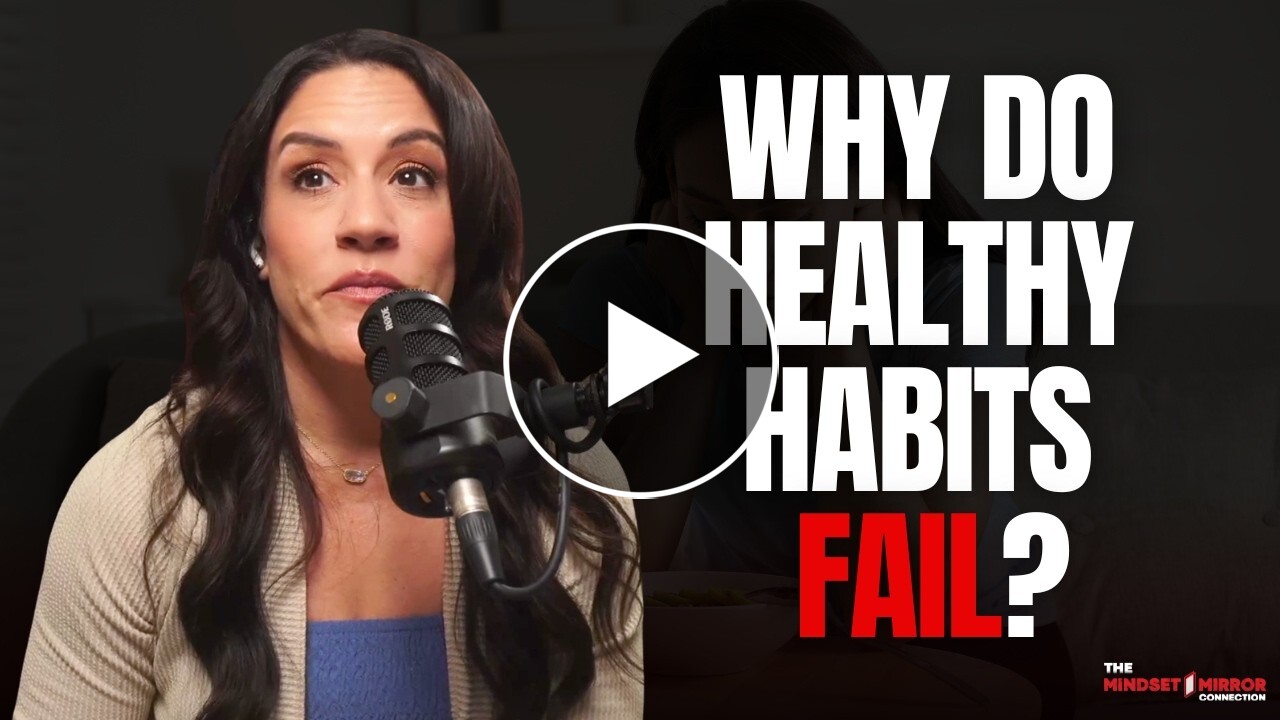
Want to go deeper? Tune in to this episode of The Mindset/Mirror Connection Podcast!