Is Thin Still In? The Constantly Changing Body Ideals
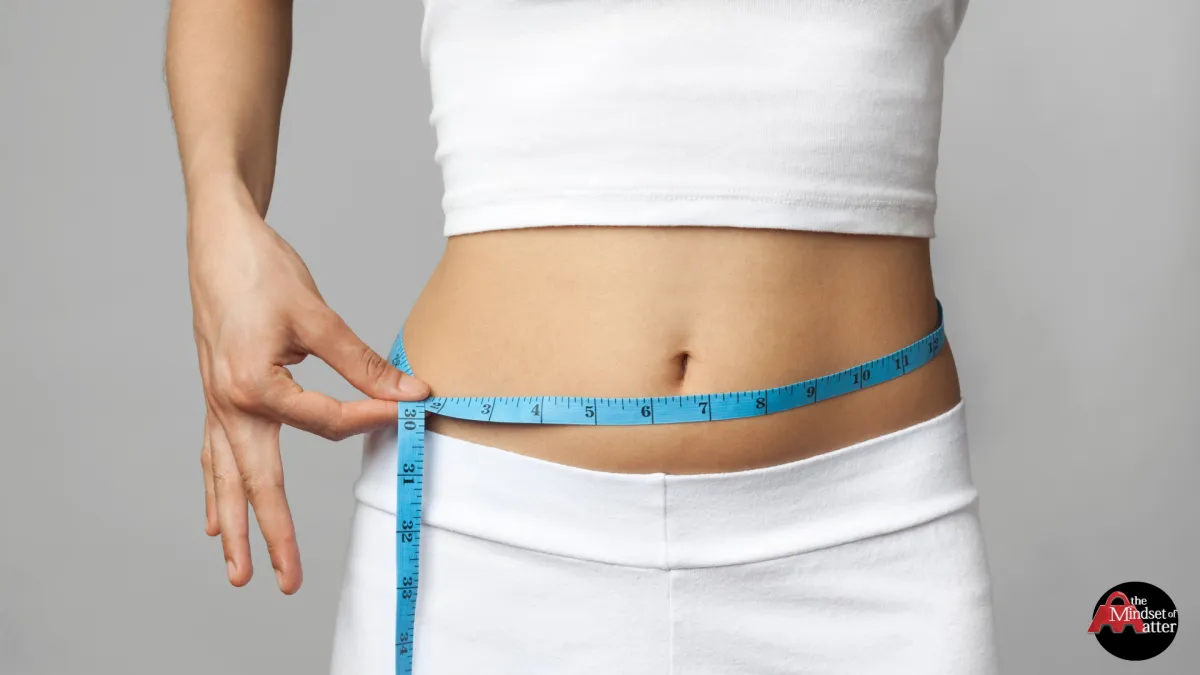
If thinness is about to become something anyone can access through a prescription, what happens to the women who spent their entire lives chasing it?
And more importantly, what becomes the next thing we chase?
This is the question redefining modern beauty standards, body image, and the future of health and wellness. From the rise of GLP-1 medications like Ozempic and Wegovy to the rapid shift in celebrity bodies and social media aesthetics, we are watching body ideals change in real time.
This is not just about weight loss. It is about culture, status, identity, and the psychology behind why women feel like they are never enough.
The History of Body Ideals: Why Beauty Standards Always Change
The truth is simple, but uncomfortable:
Body ideals have never been about beauty. They have always been about status.
Throughout history, the “ideal body” has reflected whatever was hardest to achieve at the time.
In the Renaissance era, fuller bodies signaled wealth because food was scarce
In the 1920s, thinness symbolized modernity and freedom as food became more accessible
In the 1950s, curves represented prosperity and femininity
In the 1990s and early 2000s, extreme thinness became the standard
In the 2010s, the BBL body dominated culture, driven by social media and celebrity influence
Every shift follows the same pattern:
When the masses catch up, the elite move the goalposts.
This is why body trends never stay still. They are designed to evolve, not to be achieved.
The Ozempic Era: Why Thinness Is Back
We are currently in a new phase of body culture, often referred to as the “Ozempic body.”
GLP-1 medications such as Ozempic, Wegovy, and Mounjaro have made rapid weight loss more accessible than ever before. Originally developed to treat type 2 diabetes, these medications regulate appetite and have led to significant weight loss for many people.
From red carpets to social media, a noticeable shift has occurred:
Sharper silhouettes
Smaller frames
A return to extreme thinness
For the first time in modern history, the body type that women have been told to chase for decades is becoming more widely accessible.
And that changes everything.
Why Thinness Stops Being a Status Symbol
Thinness has always functioned as a status symbol because it was difficult to achieve and maintain.
But when something becomes accessible, it loses its value as a marker of status.
This leads to the next phase:
The goalposts move again.
The emerging body ideal is already shifting toward something else.
What’s Next: The New Body Status Symbol
The next phase of body ideals is not just about size. It is about capability.
We are seeing increasing emphasis on:
Lean muscle and visible strength
Posture and mobility
Skin quality and facial structure
Biomarkers like VO2 max, heart rate variability, and metabolic health
Longevity and performance metrics
Unlike thinness, these qualities cannot be achieved quickly or artificially. They require:
Time
Consistency
Knowledge
Resources
This is why they are becoming the new status symbols.
However, the pattern remains the same.
The culture will eventually weaponize these metrics just as it did with thinness.
The Lie About Weight Loss: Why Thinness Doesn’t Fix Everything
One of the most important conversations happening right now is not about weight loss itself, but about what happens after.
For decades, women have been sold a promise:
“If I lose the weight, I will be confident”
“If I lose the weight, I will be happy”
“If I lose the weight, everything will fall into place”
But what many women discover after achieving weight loss is this:
Thinness does not solve deeper issues.
Common experiences include:
Identity confusion after reaching a long-term goal
Anxiety around maintaining weight loss
Continued dissatisfaction with appearance
Shifting focus to a new “problem” to fix
This is not failure. It is data.
It reveals that the goal was never aligned with the deeper need.
The Psychology Behind the Chase
From a neuroscience perspective, this cycle makes sense.
When we pursue a goal, the brain predicts a reward. If that reward does not match expectations, it creates a disconnect known as reward prediction error.
This is why:
Achieving a weight goal can feel surprisingly empty
The brain immediately looks for the next thing to improve
The cycle of self-optimization continues indefinitely
Your brain is not broken.
It is responding to a flawed map.
Why Women Feel Stuck in the Cycle
Modern women, especially high-achieving women, are caught in a system that constantly shifts the definition of “enough.”
This leads to:
Chronic dissatisfaction
Body image struggles
Emotional burnout
Difficulty maintaining consistent health habits
Because the goal is always moving, there is no finish line.
The Way Out: Stop Playing the Status Game
If body ideals will always change, the solution is not to chase the next trend.
The solution is to step out of the game entirely.
This does not mean neglecting your health.
It means redefining what health looks like.
Instead of asking:
“What do I look like?”
Start asking:
“What can my body do?”
A New Standard: Health, Strength, and Longevity
A sustainable approach to health focuses on:
Strength training for long-term mobility
Nutrition that supports energy and recovery
Nervous system regulation and stress management
Sleep as a non-negotiable
Consistency over perfection
These are not aesthetic goals. They are life goals.
They support your ability to:
move well into your 60s, 70s, and beyond
recover from illness or injury
maintain independence
show up fully in your life
Final Thoughts: Is Thin Still In?
Yes, thinness is trending again.
But that is not the real story.
The real story is that body ideals will continue to evolve, and if you attach your worth to them, you will always be chasing something that moves.
Your body is not a status symbol.
It is the vehicle that allows you to live your life.
The goal is not to achieve the perfect body.
The goal is to build a body that supports the life you want to live.
And that is a standard that does not go out of style.
Wellness Coaching are not psychotherapy or mental health treatment. Therapy available via telehealth in Arizona only practice under direct clinical supervision at Healing-Spectrum L.L.C. from Nikole Hintz-Lyon, M.S., LPC-S, NCC, in accordance with AZBBHE regulations.
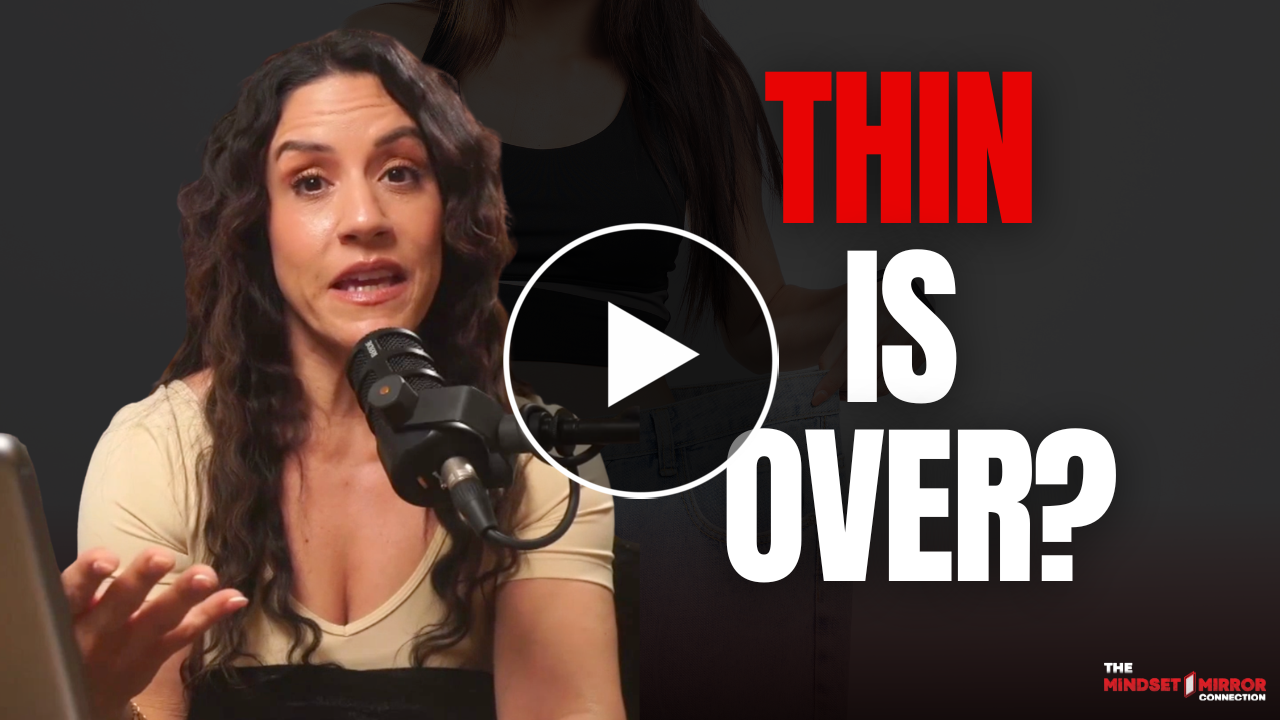
Want to go deeper? Tune in to this episode of The Mindset/Mirror Connection Podcast!